
Most organisations think their brand lives on a screen or on paper. A logo. A website. A brochure. A set of brand guidelines.
But the moment someone walks into your building, your office, your campus, your store, or your facility, they are no longer reading your brand. They are moving through it.
This is where many brands quietly fail.
They have invested in strategy, naming, identity, and digital presence, yet the physical environment where customers, staff, and visitors spend real time feels generic, confusing, or disconnected from the brand they were promised.
This is the gap known as space branding.
What space branding really means
Space branding is the application of a brand system into the physical, built environment so that people experience the brand through movement, navigation, materials, light, scale, and signage.
It asks a different set of questions from traditional brand design:
- How does this brand behave when someone is walking through it
- Can people find their way without stress or confusion
- Does the environment feel like the same organisation they saw online
- Do materials, colour, and typography still work at architectural scale
- Does the space feel intentional or accidental
This is not decoration. It is brand strategy expressed spatially.

Where people experience this most
Wayfinding and environmental graphics
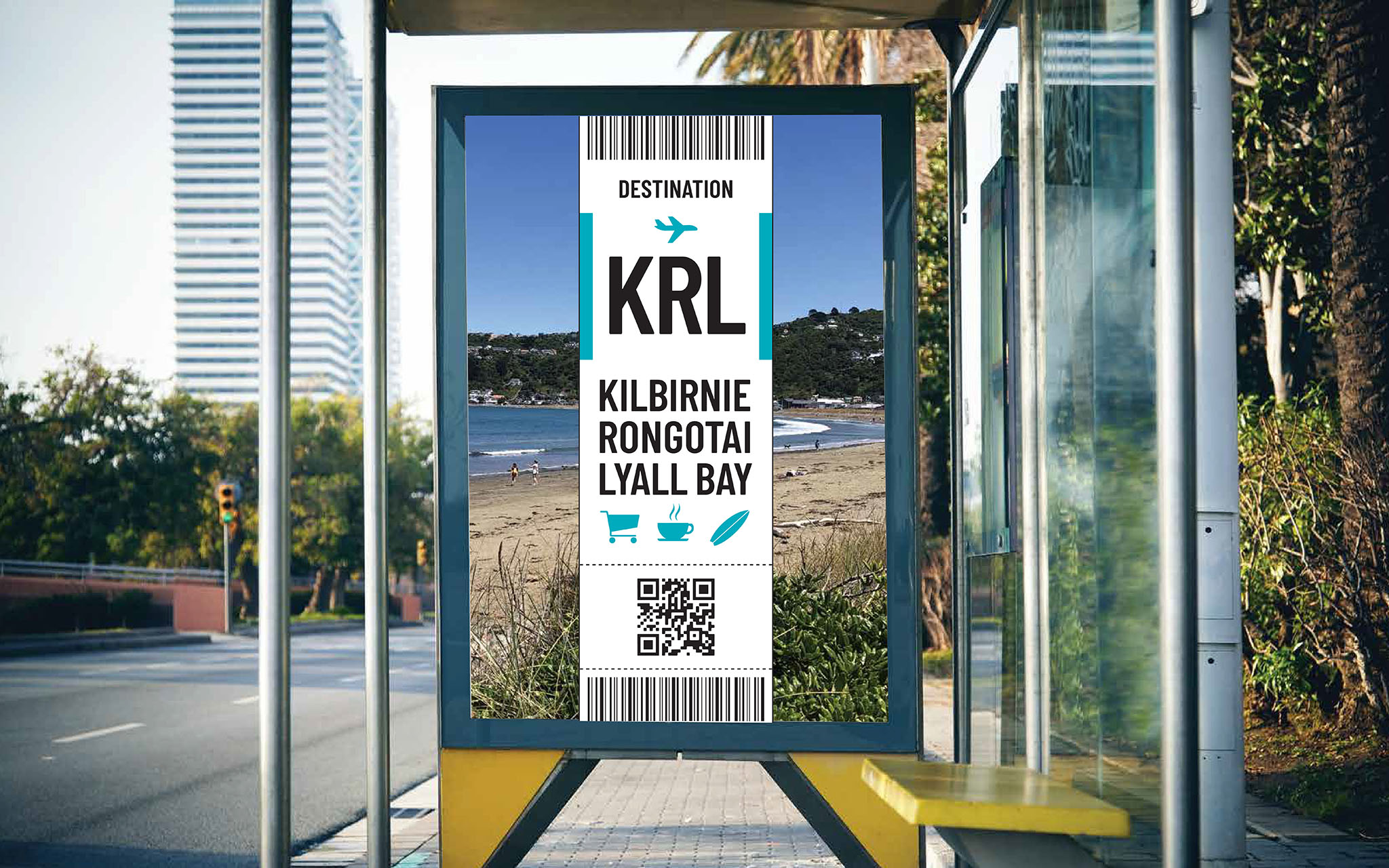
Colour systems, typography, symbols, and signage are doing brand work long before anyone sees a logo.
Interiors that express the brand
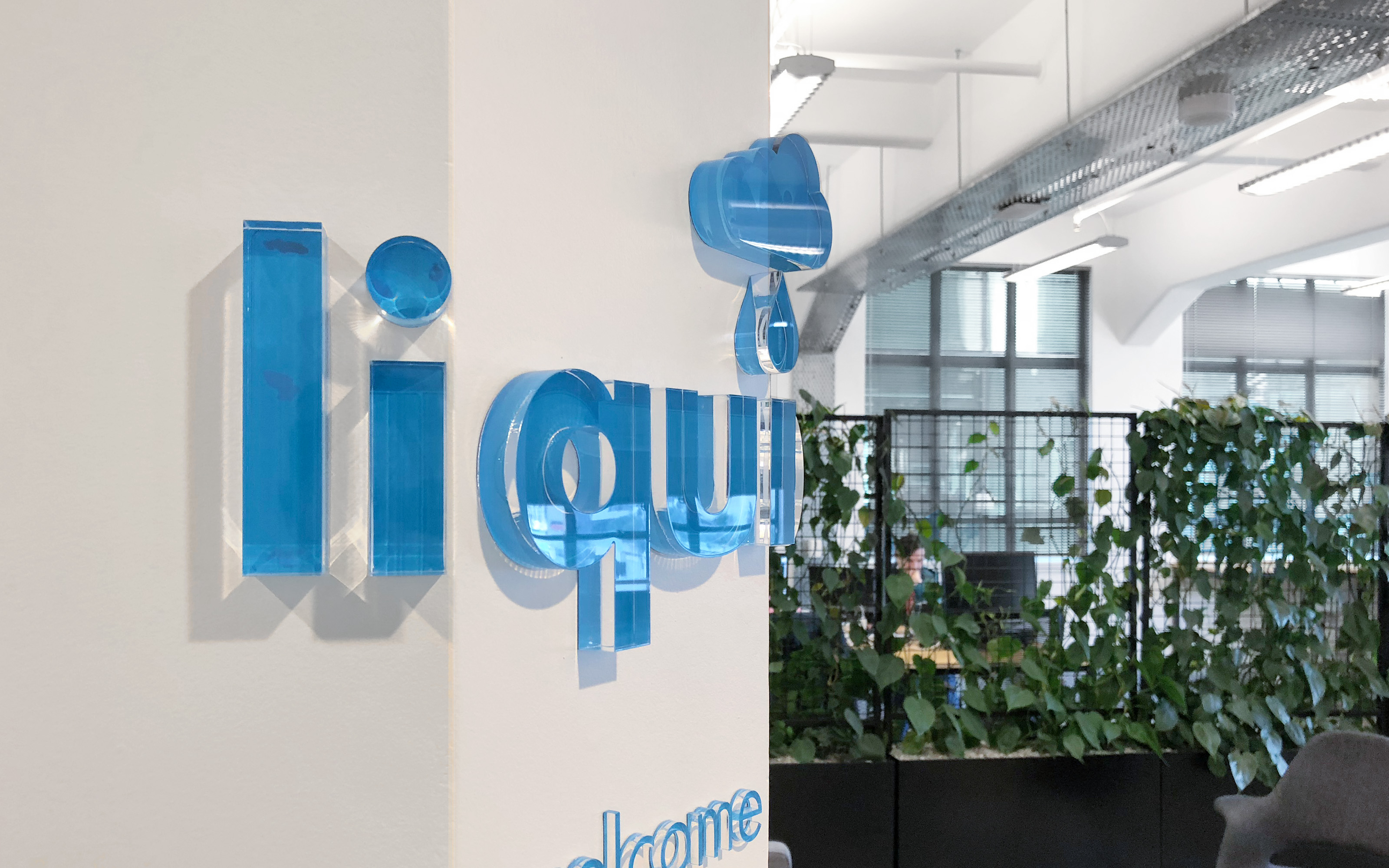
Reception areas, walls, finishes, lighting, and materials all communicate tone. A premium brand expressed through cheap materials creates cognitive dissonance. A people focused brand expressed through cold, sterile space does the same.
External presence and signage

Your building exterior, entry signage, and street presence are often the first physical proof of your brand promise.
Why this is often overlooked
Most brand projects end with:
- A logo
- A colour palette
- A type system
- A brand guideline
- A website
Very few brand projects extend into:
- Signage systems
- Wayfinding logic
- Spatial typography
- Environmental graphics
- Material and finish guidance
- Spatial brand guidelines
So organisations are left to interpret the brand themselves when fitting out offices, campuses, or retail spaces. The result is inconsistency and lost opportunity.
The commercial impact of getting this right
When space branding is done well:
- Visitors feel oriented and confident
- Staff feel pride and belonging
- Spaces feel coherent and intentional
- The physical experience reinforces the digital and verbal brand
- Large facilities become easier to navigate which reduces friction and stress
In environments such as healthcare, education, retail, and corporate headquarters, this has a direct impact on experience, perception, and efficiency.
The disciplines that come together
Space branding sits between brand design, environmental graphics, wayfinding, architecture, and interior design. It requires collaboration and a brand system that is robust enough to scale from a business card to a building façade.
It often results in:
- Wayfinding strategies
- Signage schedules and plans
- Environmental graphics guidelines
- Spatial extensions of the brand book
A useful way to think about it
If your brand guidelines only show how the brand looks on a page, you are only solving half the problem.
The real test is this:
If someone walked through your building with no prior knowledge of your organisation, would they feel your brand without being told what it is?
That is space branding.
Why this should be considered during a rebrand
A rebrand is the perfect moment to address this because you are already redefining how the organisation looks, sounds, and behaves.
Extending that thinking into physical space ensures the brand is not only seen, but experienced.
For many organisations, this is where the brand becomes tangible and memorable.